The following items and their potential to be healed or helped with the use of Kefir and or kefir grains / or any byproduct there-of are from a culmination of various sites, including both scientific journals / studies and individual accounts of the beneficial and healing effects kefir has had on them. A link or several links may be found referencing the original sources of the information provided for each disorder directly under the paragraphs describing any such benefits. If you have any additional personal accounts of the benefits kefir has had releaving or healing you from a particular disorder that you see here or one that isn't included, please leave a reply at the bottom of the page with your info or link, and I will review it and add it to the page where relevant.
Absorption & Assimilation
Acid Reflux
Acne
ADHD (Attention Deficit Hyperactivity Disorder)
Aging
Alcohol
Allergies
Anemia
Antibacterial & Antifungal Properties
Antimicrobial
Anti-Oxidants
Arthritis & Rheumatism
Asthma
Babies
Bad Breath
Biliary tract diseases
Blood Lipid Levels
Blood Sugar
Blood Vessels & Blood Pressure
Body Functions
Brain Reflexes, Memory, Attention,Senses
Bronchitis
Bruises
Calcination of blood vessels
Calcium Deficient
Cancer
Candidasis
Catarrh (Cystic Catarrh)
Chemical antibiotics
Cholesterol
Chronic Enteritis
Chronic Fatigue Syndrome
Chronic Intestinal Infections
Colitis
Colon Cancer
Complete Protein
Constipation
Cramps
Depression
Detoxification
Diabetes
Diarrhea
Digestion
Duodenum
Eczema
Elderly
Energy
Flatulence
Gallbladder (Gall stones)
Gout
Gum Disease
Hair
Heart & Blood Circulatory Conditions
Heavy Metals
Hepatitis
Herpes
High Blood Pressure
Hypertension
Immune System
Inflammatory Diseases
Irritable Bowel Syndrome
Absorption & Assimilation
An excerpt from the worlds healthiest foods:
Fermented Foods – Lacto-fermented foods have been around for a very long time. Common in Korean, Chinese, Japanese, and North and Central European cuisine, fermentation has been used to enhance the flavor of food, create food, and help food having a longer shelf life. Fermented foods are delicious and nutritious. These traditional foods are key to our health.
Fermentation allows the bacteria, yeasts and molds to “predigest” and therefore break down the carbohydrates, fats, and proteins to create probiotics which offer friendly bacteria into the digestive tract. This helps keep our immune system strong and supports overall digestive health.
Keep your digestive flora healthy and strong by regularly eating fermented foods.
Fermented foods are enzyme rich foods that are alive with micro-organisms. These foods allow beneficial microflora to “colonize” in the intestines (and for moms-to-be, also in the birth canal). This “inner ecosystem” helps support our health and fight infection. A healthy gastrointestinal tract is critical to a strong immune system. Diets rich in fermented foods, as well as fruits and vegetables, are best for us to in order to maintain a strong healthy body.
Fermented foods aid in digestion, promote healthy flora in the digestive tract, produce beneficial enzymes, offer better nutrition and allow the body to absorb vitamins (in particular C, and B12), minerals, nutritional value and omega 3s more effectively from foods. They regulate the level of acidity in the digestive tract and act as anti-oxidants. Fermented foods contain the same isothiocyanates found in cruciferous vegetables and therefore fight and prevent cancer.
Many fermented foods on the market today are not true fermented foods because they are created to maximize profits and shelf life instead of health. They are not as beneficial. It’s important that we eat foods that are fermented with “Active” or “Live” Cultures.
Pasteurization kills off the living bacteria so look for unpasteurized and fresh fermented foods (in the grocery refrigerator section). Since fermentation is a way to keep the living enzymes alive, it goes against the theory to use pasteurized (or dead) milk, for example, but you can make yogurt and kefir with pasteurized milk, it just won’t be as robust and beneficial.
Fermented Foods include: Acidophilus milk, amasake, beer, bleu cheese, chocolate, cider, coffee, cultured vegetables, kefir, kimchi, kombucha, marinated artichokes, miso, olives, pickles, saurkraut, soy sauce, tea, tempeh, umeboshi plums, vinegar, yogurt.
http://davidbozek.net/2010/07/16/top-10-healthiest-superfoods-you-need-for-extreme-health-and-longevity/
Another great read concerning the health benefits associated with consuming milk for both a pregnant organism and the offspring thereof HERE.
Acid Reflux
Gastroesophageal reflux disease (GERD) is a condition in which the stomach contents (food or liquid) leak backwards from the stomach into the esophagus (the tube from the mouth to the stomach). This action can irritate the esophagus, causing heartburn and other symptoms.
Due to kefirs natural ability to aid in digestion, the microbes work to lessen the stress created on the body's system by overloading it with various foods. Over a period of time, with improper eating habits, the bacteria that should be hard at work inside of the human intestines are either in low counts or dominated by microbes that exist from the presence of hard to digest foods. The beneficial bacteria meant to help the body digest and eliminate the broken down elements from the whole foods consumed, can be absent causing an increase in internal fermentation of foods. When foods are allowed to ferment inside the body, usually caused by overeating and or eating foods in an improper order in specific quantities, internal fermentation occurs and can poison the bloodstream (Causing fatigue and other symptoms). When kefir is consumed on a regular basis, the foods are more easily assimilated and transported through the system as the plethora of beneficial microorganisms work hard to digest the nutrients provided. In return, a build-up of undigested fermenting foods can be avoided, lessening or completely stopping the effects of acid reflux.
Red cabbage juiced in a blender will also cure acid reflux in a very short period of time if consumed on a daily basis. Kefir grains / liquid whey produced by the process of fermentation through kefir making, may be used to create sauerkraut using cabbage to aid in the digestion of food and help to prevent or cure acid reflux.
http://www.growyouthful.com/comment-ailment-remedy.php?ailmentNo=9&remedyNo=51
http://www.ncbi.nlm.nih.gov/pubmedhealth/PMH0001311/
Acne
According to a paper located HERE, recommendations include consuming 1 litre of kefir daily for the treatment of acne and eczema. In addition to oral consumption, sufferers should rub kefir topically onto infected area. A hard crust will form upon drying. Leave this crust all night and clean the following morning. Even cases of severa eczema will be healed in 4 days following this regime.
Instead of treating acne externally, kefir works internally to stop acne from happening by the work of friendly bacteria in the intestines.
Kefir's ample supply of phosphorus, the second most abundant mineral in our bodies, helps utilize carbohydrates, fats, and proteins for cell growth, maintenance and energy.
Kefir is rich in Vitamin B12, B1, and Vitamin K. It is an excellent source of biotin, a B Vitamin which aids the body's assimilation of other B Vitamins, such as folic acid, pantothenic acid, and B12. The numerous benefits of maintaining adequate B vitamin intake range from regulation of the kidneys, liver and nervous system to helping relieve skin disorders, boost energy and promote longevity.
http://www.acne.org/messageboard/KEFIR-t189370.html
The following site, located HERE, suggests mixing EFA's, or Essential Fatty Acids, fish oil and Coconut oil with your kefir for healthier skin. The writer of this site recommends mixing all the ingredients into the kefir while waiting to add the coconut oil last. Coconut oil as you know is solid at room temperature. Coconut oil is a healthy saturated fat (Does not spoil easily as there are no open areas for oxidation to occur) that will solidify into clumps if added to cold or chilled kefir. It may be easier to melt the coconut oil then mix it into the kefir with the other ingredients that are at room temperature and drink immediately. This writer also recommends consuming 1/2 to 3/4 cup of this kefir mixture for the direct cure of acne daily. They personally consume their mixture during lunch and sometimes as a snack.
http://howtoclearyouracne.com/main/archives/1118
ADHD (Attention Deficit Hyperactivity Disorder)
A story of a father and son who were both diagnosed with ADHD and placed on precription drugs "5 mg. Dexedrine spansules 2 x day". After reading and searching for alternative non-drug related "cures", they made some changes to their regime. "We take 2 capsules of (synergistic, naturally occurring probiotic complex) Kefir Caucasicum and 1 additional capsule of acidophilis (until we get the "good flora" overpowering the "bad bacteria." At the time of this post, they had already reduced their precription medication and were on their way to completely eliminating any such drugs from their daily regime. Read their full story found HERE.
Aging (Anti-Aging)
Great .pdf article / study on effects of intestinal immunity and aging in young and old rats from probiotic use found HERE.
The adjuvant effect of kefir fermented milk on the mucosal and systemic immune systems was examined in young (6 mo old) and old (26 mo old) rats. Kefir-fed rats consisted of young or old rats consuming kefir-fermented milk ad libitum on a daily basis in addition to the standard diet, for 28 d. Control rats consumed only the standard diet. The rats were immunized intraduodenally with cholera toxin (CT) on d 7 and 21 and killed on d 28. The nonspecific serum immunoglobulin (Ig)A titers in kefir-fed and control rats did not differ in either age group. The serum anti-CT IgA antibody concentrations were significantly higher in the kefir-fed young rats compared with their age-matched controls (+86%, P ≤ 0.05). This difference was associated with enhanced in vitro antibody secretion by cultured lymphocytes isolated from the Peyer’s patches and the intestinal lamina propria (+180%, P ≤ 0.05). These enhanced responses were found only in the young rats. However, the nonspecific serum IgG titer was higher (>120%, P ≤ 0.05) and the anti-CT IgG titer was lower (-80%, P ≤ 0.05), in both young and old kefir-fed rats compared with their respective controls. Nevertheless, these results demonstrate that a kefir-supplemented diet affects the intestinal mucosal and systemic immune responses to intraduodenal CT differently in young and old rats. Most importantly, our data suggest that orally administered kefir enhances the specific intestinal mucosal immune response against CT in young adult, but not in senescent rats.
http://jn.nutrition.org/content/131/3/807.full
Consuming kefir increases the amount of saliva present in the mouth when consuming food. This saliva contains elements that increase the ability and rate in which your body can break down food. As food is better broken down on the way to and while in the stomach, its more easily digested. This leads to better gastrointestinal health, which invariably leads to a longer life. In addition, kefir is known to alter the pH of the colon by production of lactic acid. This helps to inhibit the growth of tumor related bacteria and prevents the development of cancer, also extending your life.
http://hubpages.com/hub/Kefir
Also, check out the following links for the benefits of fasting along with regular kefir consumption to slow the aging process and extend ones life HERE.
Alcohol (Hangovers)
Young Coconut Kefir is a fermented drink made from the water inside young green coconuts. Full of healthy bacteria (microflora), it benefits your stomach, liver and intestines. With many healing properties, it is a smart choice when you wake up with a hangover. In fact, some of our customers tell us they have Young Coconut Kefir before they have a glass of wine - to counteract the negative effects of alcohol. Another customer wrote to tell us she dilutes her occasional glass of wine with Young Coconut Kefir because she loves the taste. She's definitely noticed that this has eliminated the wine's negative side effects.
It's not just alcohol that creates symptoms of intoxication in your body. Candida -- a systemic yeast/fungal infection that Body Ecology has specialized in for years - creates similar symptoms. Candida floods your body with a toxic by-product called acetaldehyde. Acetaldehyde produces similar symptoms to an alcohol hangover.
This serious toxin poisons tissues, is not easily eliminated and accumulates in your brain, spinal cord and muscles. Keeping in mind that your heart and intestines are muscles, you may now understand why you have symptoms of brain fog, muscle weakness and even pain.
Interestingly, alcoholics often have candida that has spread to their liver. If they try to give up alcohol without understanding how to cope with these cravings, it can be challenging.
Since Young Coconut Kefir can stop cravings for sugar and alcohol, it can be especially healing for alcoholics (who instead usually turn to heavy use of sugar and cigarettes -- poor alternatives.)
Young Coconut Kefir provides the defense your body needs to fight the symptoms of a hangover - and the systemic fungal infection caused by candida.
http://bodyecology.com/articles/unknown_hangover_cure.php
Allergies
Consumption of milk kefir and soymilk kefir suppressed the IgE and IgG1 responses and altered the intestinal microflora in our supplemented group, suggesting that milk kefir and soymilk kefir may be considered among the more promising food components in terms of preventing food allergy and enhancement of mucosal resistance to gastrointestinal pathogen infection.
http://www.allergizer.com/50226711/kefir_may_help_prevent_allergies.php
Anemia
Anemia is a condition in which the body does not have enough healthy red blood cells. Red blood cells provide oxygen to body tissues. http://www.ncbi.nlm.nih.gov/pubmedhealth/PMH0001586/
Antibacterial & Anti Fungal Properties
Antimicrobial Effects
A group of Wistar rats were inoculated with Staphylococcus aureus (Most common cause of Staph infection) and induced with skin legions. Candida albicans (A diploid fungus, which is opportunistic by nature for oral and genital infections in humans, a common cause of morbidity in patients with an immunocompromised system.) Commonly, those undergoing organ or bone marrow transplants, AIDS patients and those under chemo therapy. This makes any patient in the intensive care unit at a hospital a major concern for public health. Alternative antimicrobials were also tested to compare to any healing effects kefir may have against current methods for the same infections. Testing was done by cicatrizing experiments, which simply means by healing the rats with the development of scar tissue.
A topical gel was applied containing 70% kefir and kefiran (insoluble polysaccharide). Both kefir and kefiran showed activity against all organisms it came into contact with. Of all the organisms it had an effect on, Streptococcus pyogenes (An infection usually starting in the throat or on the skin, may be very mild to life-threatening in nature. Common results of its growth on the body include pharyngitis or strep throat and impetigo, a localized skin infection) was effected the most.
Over a 7 day period, the protective effect had taken place on the connective skin tissue where the kefir, kefiran gel had been applied. Wound healing had also taken place (cicatrizing), where the infections had originally been located on the rats. This was in comparison with 5mg/kg of neomycin–clostebol emulsion.
http://www.ijaaonline.com/article/S0924-8579(05)00054-3/abstract
http://en.wikipedia.org/wiki/Candida_albicans
http://en.wikipedia.org/wiki/Streptococcus_pyogenes
In another study testing the antimicrobial effects of kefir, the drink proved to once again overpower several food borne illness related microbes. Tested were the following: Staphylococcus aureus (Most common cause of Staph infection), Bacillus cereus (Responsible for 2-5% of food borne illnesses, resulting in diarrhea, vomiting and severe nausea). Salmonella enteritidis (Food poisoning causing diarrhea in healthy individuals, but potentially life threatening sickness for the young and elderly, or those with compromised immune systems.) Listeria monocytogenes (20-30% of infections caused by this facultative anaerobe result in death, responsible for approx. 2,500 illnesses and 500 deaths in USA annually. Known to frequently cause meningitis in newborns it is the leading cause of death of all food borne pathogens). Escherichia coli (Otherwise known as E. Coli, is commonly found in the lower intestines of warm blooded organisms, are generally of no cause for concern in humans. The one strand known for food recalls and serious sickness is serotype O157:H7).
The method of testing was disk diffusion or Kirby-Bauer antibiotic testing, which is a test using antibiotic-impregnated wafers to see if certain bacteria are susceptible to specific antibiotics. A specified amount of bacteria are grown on agar plates with thin wafers containing antibiotics. A clearing will form around the wafer where bacteria cant grow if they are susceptible (zone of inhibition).
At storage of 4 degrees C, antimicrobial effects were seen on all pathogenic microbes. Matching room temperature effects from 24 and 48 hours, similar effects were seen on the 1st, 4th and 7th days at 4 degrees C. The largest inhibitory effects were seen with S. aureus, with diameter zones of 21.4 and 21.1 mm. During this storage period however, the effects seemed to decrease or do nothing except for Salmonella enteritidis, in which effects of kefir increased over this particular organism.
http://tmc.dergisi.org/pdf/pdf_TMC_279.pdf
http://en.wikipedia.org/wiki/Bacillus_cereus
http://en.wikipedia.org/wiki/Salmonella
http://en.wikipedia.org/wiki/Listeria_monocytogenes
http://en.wikipedia.org/wiki/Escherichia_coli
http://en.wikipedia.org/wiki/Kirby-Bauer_antibiotic_testing
Anti-Oxidants
This study was aimed at evaluating the antimutagenic and antioxidant properties of milk-kefir and soymilk-kefir. Such antimutagenic activity was determined by means of the Salmonella mutagenicity assay, whereas the antioxidant properties of kefir were evaluated by assessing the 1,1-diphenyl-2-picrylhydrazyl (DPPH) radical-scavenging activity, lipid peroxidation inhibition activity, ferrous ion chelating ability, reducing power, and antioxidative enzyme activity. Both milk-kefir and soymilk-kefir demonstrated significantly greater antimutagenic activity than milk and soymilk. Milk-kefir and soymilk-kefir also displayed significantly greater scavenging activity upon DPPH radicals, an inhibition effect upon linoleic acid peroxidation, and more substantial reducing power but displayed a reduced glutathione peroxidase activity than was the case for milk and soymilk. Milk and soymilk fermented by kefir grains did not alter the ferrous ion chelating ability and superoxide dismutase activity of the original materials. These findings have demonstrated that milk-kefir and soymilk-kefir possess significant antimutagenic and antioxidant activity and suggest that milk-kefir and soymilk-kefir may be considered among the more promising food components in terms of preventing mutagenic and oxidative damage.
http://www.ncbi.nlm.nih.gov/pubmed/15796581
Its believed that the long life and health demonstrated by the natives of the Northern Caucasus where kefir grains were used daily are attributed to the antioxidants found in kefir grains. The antioxidants present in kefir seem to protect the cells from damage (Free radical damage) and aging.
http://www.nourishkefir.co.uk/about.aspx
The aim of this study was to investigate the bacterial inhibition and antioxidant activity of 24 and 48 h of rice milk-kefir and cow milk-kefir. Bacterial inhibition activity of kefir was investigated against Staphylococcus aureus, Bacillus subtillis, Escherichia coli and Pseudomonas fluorescens by using the disk diffusion method. Kefir showed some activity against all organisms tested. Antioxidant activity of kefir was measured using three different methods: DPPH radical scavenging activity of extracts, lipid peroxidation assay and hydroxyl radical scavenging activity. As a standard BHA (Butylated hydroxyanisole) was used. Rice milk-kefir was displayed significantly greater of antioxidant activity. These findings have suggested that rice milk-kefir may be considered among the more promising food components in term of preventing oxidative damage.
http://scialert.net/fulltext/?doi=biotech.2010.332.337&org=11
Arthritis & Rheumatism
Try consuming a Kefir + Cinnamon Infusion for arthritis relief. A combination of cinnamon and honey are known to offer relief and remove pain from 1-4 weeks.
Asthma
Blood Vessels & Blood Pressure
According to a paper located HERE, recommendations include consuming 1 litre of kefir daily for 2 months. After 2 months time, blood pressure should stabilize and read as normal. To heal decomposition of the blood, 1 litre daily should be followed, and 2 litres daily for severe cases.
Try consuming a Kefir + Cinnamon Infusion for it's anti blood clotting properties
Try consuming a Kefir + Nutmeg Infusion for it's ability to help lower blood pressure
Brain Reflexes, Memory, Attention,Senses
Try consuming a Kefir + Cinnamon Infusion to help boost memory and cognitive function. The very smell of cinnamon will help the brain to achieve these changes.
Cancer
Try consuming a Kefir + Cinnamon Infusion to reduce the proliferation of lymphoma and leukemia cancer cells
Catarrh (Cystic Catarrh)
According to a paper located HERE, recommendations include consuming 1 litre of kefir per day as long as required. 1/2 a litre a day will regulate blood pressure and normalize body weight.
Cholesterol
Try consuming a Kefir + Cinnamon Infusion to help lower your LDL cholesterol
A study conducted on fecal plasma levels in individuals consuming kefir (Although source & type of kefir is not described in the study), found that after 4 weeks of supplementation with kefir that the plasma levels in the 7 individuals participating in the study, that didn't lower significantly to be used as a cholesterol lowering agent in and of itself. The kefir used in the study was not identified as being store bough liquid or powder, or real kefir. Without this missing piece to the puzzle, we cant conclude anything beyond the probability that like the subjects receiving a mixture of powdered milk, skim milk and whole milk, that those receiving kefir, received a very calculated type in the form of a store bought powder or liquid. It's highly probable that a powder form was used in the study, which isn't the same a real kefir grains, but would be much easier to study in a lab as over a 4 week period, the bacteria contained in the samples could be tightly controlled, where as real kefir grains contain far too many variables of probiotic numbers, depending greatly on the length of the fermentation and the type of milk used.
http://www.biomedcentral.com/1472-6882/2/1/
Diabetes
Here is a website dedicated to the cure for Type 2 Diabetes. This gentleman will be experimenting with the addition of kefir in his daily regime. One thing he has discovered to have the greatest impact on lowering his blood sugar has been a low carbohydrate diet. As carbohydrates cause an insulin spike, avoiding these things along with any processed fats will greatly improve your overall blood sugar readings. This person also includes in his regime a series of exercises. Of greatest impact thus far has been the introduction of overhead dumbbell presses and squats. The squats seem to have been making the greatest impact on his blood sugar readings. They seem to have an effect on lowering his sugar even 24 hours after working out. He chooses to do these exercises on most days. Once his kefir grains are starting to produce good curd and whey separation, any effect they have will be noted and posted here on this site.
http://diabetescureorcontrol.blogspot.com/
Try consuming a Kefir + Cinnamon Infusion to help regulate your blood sugar.
Diarrhea
Try consuming a Kefir + Nutmeg Infusion for it's ability prevent stomach aches and stop diarrhea
If you have eaten a food combination that causes diarrhea in a short period of time, you have two options. You can try to immediately consume a small amount of 48 hour kefir mixed with nutmeg (4-6 oz), knowing that the diarrhea will continue for a while, or wait until it has settled down. It's not a bad idea to consume a small amount while you are experiencing the discomfort, but know it will help to flush out the bad bacteria rather quickly.
When you have diarrhea from dehydration, you will crave fluid. Only when this happens should you consume water. If your diarrhea isn't dehydration related, and you consume large amounts of water between bowel movements, your simply adding to the problem. Your small and large intestines for one reason or another are not properly absorbing the water from what your have drank or eaten, and instead this fluid is entering the colon, where is is uncomfortably expelled. At this point, STOP drink or eating anything (Real ginger ale (small amount) exception). Once you stop putting things into your system, the fluid will leave through urination and the rest expelled. In just a short period fasting will recover you completely.
Gallbladder (Gall stones)
According to a paper located HERE, recommendations include consuming 1 litre of kefir daily to heal gall problems. It mentions that milk and cream however can be deleterious and cause attacks, while the kefir product will eliminate the problem.
Heart & Blood Circulatory Conditions
Try consuming a Kefir + Nutmeg Infusion for it's ability to stimulate the cardiovascular system and increase circulation
Hepatitis
According to a paper located HERE, recommendations of consuming 1 litre of 12 hour long fermented kefir until bowel movements have normalised, then continue consuming a 24 hour long fermented kefir daily.
Inflammatory Diseases
Try consuming a Kefir + Nutmeg Infusion for their individual and combined anti inflammatory effects
Friday, March 4, 2011
Thursday, March 3, 2011
Traditional Kefir Practices


Other traditional methods include a ratio of approximately 2-10 % by surface volume to be added to fresh raw milk inside of some sort of container. I have also heard and read from various sources, that a ratio of 1:7 or 1:10 be used. Due to the PH of the fermented mixture, the container had to be able to withstand acidic contents. The common scare of the use of metal comes from it’s early reactions with the acidic nature of kefir. Brass and the like were big no-no’s. Modern stainless steel doesn’t seem to have any leeching effect when contact is made with the grains.
 The chosen container for the kefir would be shaken at least twice during a 24 hour period. Space was always allowed between the initial liquid used and the top of the container. This would prevent overflow during the fermentation process, as gasses are released and if separation happens (curd and whey), a rise in volume could also cause a sealed container to break.
The container, no matter what it is would allow the kefir grains to be in the dark for the most part. Even if it’s winter, and a traditional leather bag was brought outside to warm up on a sunny day, the kefir itself is in the dark. Keeping the kefir out of direct sunlight is said to preserve the vitamin and mineral content and prevent them from degrading by exposure.

After initial fermentation, several things could be done. One method would be to take a portion of the 24 hour fermented mixture and use it in baking or to add to another food product. Commonly in traditional practice however, the kefir was allowed to undergo a second fermentation without the presence of the grains. For several more days, the beverage would be allowed to sour and increase in vitamins and minerals, with an exceptional increase in B vitamins. The product would not only sour but also thicken.
A common practice for the second fermentation is to add additional herbs to the mix and let the bacteria further digest and leech important minerals and vitamins out of the herbs and into the kefir. After a period of time, the kefir would then be consumed as a super food with unlimited health promoting properties, depending on the choice of additional elements added to undergo secondary fermentation.
Allowing kefir to ferment for various periods of time changes both the nutritional content and it’s effect on the consumer. Folic acid for example which is well known for it’s aid in cell division and growth can be increased tremendously when allowed to ferment for longer. The longer the milk is allowed to ferment, the lower the lactose present in the milk. For those on a low carb, this means less sugar (less carbs). A study done on rats shows that kefiran, produced by fermenting milk with kefir grains lowered their both their serum cholesterol levels and suppressed a blood pressure increase.

What Is Milk Kefir (Part 2 - STREPTOCOCCI / LACTOCOCCI)
Now it's time to take a look at some other organism found in milk kefir. The Streptococci organisms are known as gram-positive facultative anaerobes. They are also considered to be catalase-negative, as opposed to staphylococci, which are catalase-positive. These gram-positive organisms are often found in pairs or chains and may be divided into different groups based on the ability of their antibodies to recognize a variety of different surface antigens.
Lactococcus is a genus that was formerly included in the Streptococcus Group N1. These lactic acid bacteria are well known for their ability to produce lactic acid as their largest or only byproduct during glucose fermentation. This group is gram-positive and catalase-negative as well, and can be found in pairs or chains as well as by themselves. They are perhaps most famous at present for their use in cheese making.
http://pathmicro.med.sc.edu/fox/streptococci.htm
http://en.wikipedia.org/wiki/Lactococcus
The following list can be found from it's original source located at Dom's Kefir HERE.
STREPTOCOCCI / LACTOCOCCI
Streptococcus thermophilus
S. paracitrovorus
Lactococcus lactis subsp. lactis
Lc. lactis subsp. lactis biovar. diacetylactis
Lc. lactis subsp. cremoris
Enterococcus durans
Leuconostoc mesenteroides subsp. cremoris
Leuc. mesenteroides subsp. mesenteroides
Leuc. dextranicum
 Streptococcus thermophilus is an essential lactic acid bacterium used for commercial purposes, which includes the production of milk, cheese, and other dairy products. This organism is a thermophilic Gram-positive bacterium with an optimal growth rate at 45 °C. It is also capable of generating energy, in the form of adenosine triphosphate (ATP), by aerobic respiration with the presence of oxygen; however, without the presence of oxygen, it still can produce ATP through fermentation. S. thermophilus lacks cytochrome, oxidase, and catalase enzymes. It does not have motility and it does not form spores. Although S. thermophilus is closely related to other pathogenic streptococci (such as S. pneumoniae and S. pyogenes), S. thermophilus is classified as a non-pathogenic, alpha-hemolytic species that is part of the viridians group. The increasing consumer need for dairy products and booming manufacture of dairy products ($40 billion industry) led to the investigation and sequencing of S. thermophilus.
http://www.magma.ca/~pavel/science/Foods&bact.htm
http://microbewiki.kenyon.edu/index.php/Streptococcus_thermophilus
S.paracitrovorus does not readily dissimilate citric acid in the absence of sugar but does attack citric acid relatively vigorously in the presence of small quantities of glucose or lactose. The effect of glucose and lactose in initiating the dissimilation of citric acid is catalytic.
The sugars which act catalytically are themselves fermented to approximately equimolar quantities of carbon dioxide, ethyl alcohol and lactic acid. The dissimilation of a combined substrate of citrate and glucose forms, in addition, acetic acid, acetylmethylcarbinol, 2,3-butylene glycol and under certain conditions, pyruvic acid which acts as an intermediate compound. Pyruvate is dissimilated to products similar to those from a fermentation of citrate plus glucose.
The reactions ofKrebs' citric acid cycle apparently do not apply to the dissimilation of citric acid byS.paracitrovorus because the fermentation of citric acid proceeds anaerobically, consumes little oxygen aerobically and is not inhibited by arsenite.
Inasmuch as milk contains lactose, the fermentation of citric acid in milk byS.paracitrovorus may be catalyzed as shown in these studies.
Journal paper No.J711 of the Iowa Agricultural Experiment Station, Project 451.
http://www.springerlink.com/content/r1x11421311270r1/
The experiments have shown that although butter of exceptionally fine flavour can be produced by the use of pure culture starters of S. paracitrovorus under laboratory control, the uncertainties under practical conditions, due to its weak growth, are too marked to warrant its general use. Both S. citrovorus and S. paracitrovorus are unable to compete successfully with the inevitable contaminants encountered in practice. The value of vegetable media such as grass, silage and bean agar for growing streptococci such as S. paracitrovorus has been confirmed, but as observed by Orla-Jensen et al. (4) the subsequent growth in milk media lacks the vigour which might be expected.
http://journals.cambridge.org/action/displayAbstract?fromPage=online&aid=5124004
 Lactococcus lactis subsp. lactis is a Gram-positive bacterium used extensively in the production of buttermilk and cheese[1], but has recently also become famous as the first genetically modified organism to be used alive for the treatment of human disease [2]. L. lactis cells are cocci that group in pairs and short chains, and depending on growth conditions, appear ovoid with typically 0.5 - 1.5 µm in length. L. lactis does not produce spores (nonsporulating) and are not motile (nonmotile). They have a homofermentative metabolism and have been reported to produce exclusively L(+) lactic acid.[3] However,[4] reported D(-) lactic acid can be produced when cultured at low pH. The capability to produce lactic acid is one of the reasons L. lactis is one of the most important microorganisms in the dairy industry[5]. Generally, it has been considered as an opportunistic pathogen,[6] though the number of clinical cases associated with infections by these microorganisms has increased in the last decade in both humans and animals.[7][8] L. lactis is of crucial importance for manufacturing dairy products, such as buttermilk and cheeses. When L. lactis ssp. lactis is added to milk, the bacterium uses enzymes to produce energy molecules (ATP), from lactose. The byproduct of ATP energy production is lactic acid. The lactic acid produced by the bacterium curdles the milk that then separates to form curds, which are used to produce cheese.[9].
Other uses that have been reported for this bacterium include the production of pickled vegetables, beer or wine, some breads and other fermented foodstuffs, such as soymilk kefir, buttermilk, an others.[10]
http://jpkc.njau.edu.cn/spwswx/cankao/ShowArticle.asp?ArticleID=314
http://en.wikipedia.org/wiki/Lactococcus_lactis
 Lc. lactis subsp. lactis biovar. diacetylactis Cheeses are frequently made with natural whey starters (NWS). The whey from the previous cheese making is cultured and used for the next day. This practice, although essential for the development of typical sensory characteristics, can sometimes lead to acidification defects. In this work, the ability of Lactococcus lactis subsp. lactis biovar. diacetylactis to dominate over the other lactic acid bacteria (LAB) was tested in a controlled system as a possible explanation for these acidification breakdowns. A starter made of two Lc lactis subsp. lactis strains (LL), one Lc lactis subsp. cremoris strain (LC), and one Lc lactis subsp. lactis biovar. diacetylactis (LD) was added to sterilized milk. After incubation, the whey was removed and used to re-seed sterilized milk, the next day. This process was made during a five and twelve days' period. During the eight first days, the proportion of LD population increased, while the other LAB remained rather stable. Thereafter, LD strains dominated. At the same time, the diversity of LD population diminished considerably. If acidification ability of these LAB is not altered, this simplification was particularly hazardous in case of phages attack. LC and LL behavior was tested in milk containing increasing diacetyl concentrations. As long as diacetyl did not exceed a 5 ppm level — frequently measured in dairy products — its influence was impossible to detect. The selective advantage conferred by the citrate metabolism was proposed as a possible explanation for the LD population dominance. Other potential factors were also examined.
http://fst.sagepub.com/content/14/6/469.refs
http://genesis-bglab.com/eng/index.php?page=2&CID=16
 Lc. lactis subsp. cremoris MG1363, is the lactococcal strain most intensively studied throughout the world. It is a plasmid-free Lactococcus strain. It is not a natural inhabitant of the human gastrointestinal tract, but does survive passage through it, and has been used to deliver bioactive peptides to the gut. There are a number of mobile genetic elements in L. lactis MG1363, namely the unique sex factor, insertion elements, and the integration hotspot region. The latter enables L. lactis MG1363 to stably integrate laterally acquired DNA and has played a key role in the evolution of the genome of L. lactis MG1363 and related strains. It allowed L. lactis MG1363 to stably maintain a functional copy of the opp operon, which is essential for growth in milk. Forty seven of the genes present in L. lactis MG1363 but absent in L. lactis IL1403 are thought to be involved in carbohydrate metabolism and transport. Consequently L. lactis MG1363 displays a larger capability to grow on various sugars, especially those found in plant material, pointing to a plant associated biological niche for the ancestor of L. lactis MG1363. Lactococci are mesophilic lactic acid bacteria that were first isolated from green plants. However, today they are used extensively in food fermentations. These bacteria are selected for use in fermentations based on their metabolic stability, their resistance to bacteriophage, and their ability to produce unique compounds often from amino acid catabolism. The study of their physiology in adverse conditions such as low pH and high NaCl indicates that they adapt to these environments quickly and change their metabolism based on carbohydrate starvation. Recent genome studies and physical maps indicate that bacterial genomes are very dynamic. The importance of lactococci, specifically L. lactis subsp. cremoris, is demonstrated by its continual use in food fermentations. L. lactis subsp. cremoris strains are preferred over L. lactis subsp. lactis strains because of their superior contribution to product flavor via unique metabolic mechanisms.
http://genome.jgi-psf.org/laccr/laccr.home.html
http://expasy.org/sprot/hamap/LACLM.html
 Enterococcus durans is Gram stain positive. Enterococcus durans is a facultative anaerobe. Enterococcus durans is non-motile. Bacteria; Firmicutes; Bacilli; Lactobacillales; Enterococcaceae; Enteroc. Enterococcus durans infection in poultry has been associated with bacteremia and encephalomalacia. Streptococcus durans is a synonym for Enterococcus durans. Enterococcus faecium can be misidentified as Enterococcus durans by some automated testing methods. It is unclear what the importance of Enterococcus durans in human infections as strains of Enterococcus faecium are frequently incorrectly identified as Enterococcus durans.
http://www.rci.rutgers.edu/~microlab/CLASSINFO/IMAGESCI/B.%20subtilis%20and%20E.htm
http://www.thelabrat.com/restriction/sources/Enterococcusdurans.shtml
 Leuconostoc mesenteroides subsp. cremoris
Leuconostoc species are frequently used in mesophilic cultures to produce aroma during milk fermentations.Leuconostoc mesenteroides ssp. cremoris 91404 was selected as an aroma producer in preparation of experimental cultured buttermilk based on low diacetyl reductase activity, citrate utilization and high diacetyl production under acidic conditions, growth characteristics, and compatibility with Lactococcus strains. However, no diacetyl was detected in buttermilk that was made in the traditional commercial manner. Simple and direct GLC analysis without prior processing was applied to quantify volatile compounds in milk that had been fermented with Leu. mesenteroides ssp. cremoris and Lactococcus lactis ssp. cremoris. Fortification of ripened buttermilk with sodium citrate resulted in a significant increase of diacetyl and acetoin production during buttermilk storage (5°C for 2 wk). Surplus of citrate, low pH (pH 4.5 to 4.7), a sufficient number of active nongrowing aroma producers, air incorporation during curd breaking, and low temperature storage facilitated citrate metabolism toward production and conservation of flavor during 2 wk of storage. Incorporation of a ropy Lc. lactis ssp. cremoris strain 352 in starter culture significantly improved the texture and appearance of experimental cultured buttermilk.
http://www.magma.ca/~pavel/science/Leuconostoc.htm
http://www.journalofdairyscience.org/article/S0022-0302(97)75907-1/abstract
 Leuc. mesenteroides subsp. mesenteroides
Leuconostoc species are epiphytic bacteria that are wide spread in the natural environment and play an important role in several industrial and food fermentations. Leuconostoc mesenteroides is a facultative anaerobe requiring complex growth factors and amino acids (Reiter and Oram 1982; Garvie 1986).
Most strains in liquid culture appear as cocci, occurring singly or in pairs and short chains, however, morphology can vary with growth conditions; cells grown in glucose or on solid media may have an elongated or rod shaped morphology. Cells are Gram positive, asporogenous and non-motile.
A variety of lactic acid bacteria (LAB), including Leuconostoc species are commonly found on crop plants (Mundt et al 1967; Mundt 1970). L. mesenteroides is perhaps the most predominant LAB species found on fruits and vegetables and is responsible for initiating the sauerkraut and other vegetable fermentations (Pederson and Albury 1969). L. mesenteroides starter cultures also used in some dairy and bread dough fermentations (Server-Busson et al. 1999).
Under microaerophilic conditions, a heterolactic fermentation is carried out. Glucose and other hexose sugars are converted to equimolar amount of D-lactate, ethanol and CO2 via a combination of the hexose monophosphate and pentose phosphate pathways (Demoss et al 1951; Garvie 1986; Gottschalk 1986). Other metabolic pathways include conversion of citrate to diacetyl and acetoin (Cogan et al 1981) and production of dextrans and levan from sucrose (Alsop 1983; Broker 1977).
Viscous polysaccharides produced by L. mesenteroides are widely recognized as causing product losses and processing problems in the production of sucrose from sugar cane and sugar beets (Tallgren et al. 1999). The first observation of the production of polysaccharide "slime" from sugar, dates to the earliest days of the science of microbiology; Pasteur (1861) attributed this activity to small cocci, presumably Leuconostoc species. Commercial production dextrans and levans by L. mesenteroides, for use in the biochemical and pharmaceutical industry, has been carried out for more than 50 years (Alsop 1983; Sutherland 1996).
Dextrans are used in the manufacture of blood plasma extenders, heparin substitutes for anticoagulant therapy, cosmetics, and other products (Leathers et al 1995; Sutherland 1996; Alsop 1983; Kim and Day 1994). Another use of dextrans is the manufacture of Sephadex gels or beads, which are widely used for industrial and laboratory protein separations (Sutherland 1996). Currently, L. mesenteroides has significant roles in both industrial and food fermentations.
http://www.morgboard.proboards.com/index.cgi?board=general&action=display&thread=824&page=11
http://genome.jgi-psf.org/leume/leume.home.html
 Leuc. dextranicum The constitutive mutants of Leuconostoc dextranicum NRRL B-1146 were generated by classical mutagenesis technique using UV radiation for higher production of glucan. The conditions of mutagenesis such as dilution factor and time of UV light exposure were optimized. Three stage screening of mutants was carried out and the mutants were grown and subsequently tested for glucan content produced after the second stage. In the first stage 137 mutants were picked by visual screening based on morphology and colony size and grown. In the second stage of screening, 97 colonies were visually screened from 137 colonies and glucan content was analysed by microtitre format. In the third stage screening, 11 higher glucan producing mutants were selected from 97. Finally, 3 mutants produced significantly high glucan content, out of 11 selected mutants. The wild-type strain gave 1.01 g/l of glucan using statistically optimized medium. The mutant 64 gave maximum glucan content of 5.1 g/l, 5 times higher than that produced by wild-type Leuconostoc dextranicum NRRL B-1146 followed by mutant 88 giving 4.24 g/l and mutant 9 giving 4.1 g/l.
http://coyoteuss.livejournal.com/50426.html
http://www.ispub.com/journal/the_internet_journal_of_microbiology/volume_7_number_1_31/article/mutagenesis-of-leuconostoc-dextranicum-nrrl-b-1146-for-higher-glucan-production.html
Lactococcus is a genus that was formerly included in the Streptococcus Group N1. These lactic acid bacteria are well known for their ability to produce lactic acid as their largest or only byproduct during glucose fermentation. This group is gram-positive and catalase-negative as well, and can be found in pairs or chains as well as by themselves. They are perhaps most famous at present for their use in cheese making.
http://pathmicro.med.sc.edu/fox/streptococci.htm
http://en.wikipedia.org/wiki/Lactococcus
The following list can be found from it's original source located at Dom's Kefir HERE.
STREPTOCOCCI / LACTOCOCCI
Streptococcus thermophilus
S. paracitrovorus
Lactococcus lactis subsp. lactis
Lc. lactis subsp. lactis biovar. diacetylactis
Lc. lactis subsp. cremoris
Enterococcus durans
Leuconostoc mesenteroides subsp. cremoris
Leuc. mesenteroides subsp. mesenteroides
Leuc. dextranicum
Streptococcus thermophilus is an essential lactic acid bacterium used for commercial purposes, which includes the production of milk, cheese, and other dairy products. This organism is a thermophilic Gram-positive bacterium with an optimal growth rate at 45 °C. It is also capable of generating energy, in the form of adenosine triphosphate (ATP), by aerobic respiration with the presence of oxygen; however, without the presence of oxygen, it still can produce ATP through fermentation. S. thermophilus lacks cytochrome, oxidase, and catalase enzymes. It does not have motility and it does not form spores. Although S. thermophilus is closely related to other pathogenic streptococci (such as S. pneumoniae and S. pyogenes), S. thermophilus is classified as a non-pathogenic, alpha-hemolytic species that is part of the viridians group. The increasing consumer need for dairy products and booming manufacture of dairy products ($40 billion industry) led to the investigation and sequencing of S. thermophilus. http://www.magma.ca/~pavel/science/Foods&bact.htm
http://microbewiki.kenyon.edu/index.php/Streptococcus_thermophilus
S.paracitrovorus does not readily dissimilate citric acid in the absence of sugar but does attack citric acid relatively vigorously in the presence of small quantities of glucose or lactose. The effect of glucose and lactose in initiating the dissimilation of citric acid is catalytic.
The sugars which act catalytically are themselves fermented to approximately equimolar quantities of carbon dioxide, ethyl alcohol and lactic acid. The dissimilation of a combined substrate of citrate and glucose forms, in addition, acetic acid, acetylmethylcarbinol, 2,3-butylene glycol and under certain conditions, pyruvic acid which acts as an intermediate compound. Pyruvate is dissimilated to products similar to those from a fermentation of citrate plus glucose.
The reactions ofKrebs' citric acid cycle apparently do not apply to the dissimilation of citric acid byS.paracitrovorus because the fermentation of citric acid proceeds anaerobically, consumes little oxygen aerobically and is not inhibited by arsenite.
Inasmuch as milk contains lactose, the fermentation of citric acid in milk byS.paracitrovorus may be catalyzed as shown in these studies.
Journal paper No.J711 of the Iowa Agricultural Experiment Station, Project 451.
http://www.springerlink.com/content/r1x11421311270r1/
The experiments have shown that although butter of exceptionally fine flavour can be produced by the use of pure culture starters of S. paracitrovorus under laboratory control, the uncertainties under practical conditions, due to its weak growth, are too marked to warrant its general use. Both S. citrovorus and S. paracitrovorus are unable to compete successfully with the inevitable contaminants encountered in practice. The value of vegetable media such as grass, silage and bean agar for growing streptococci such as S. paracitrovorus has been confirmed, but as observed by Orla-Jensen et al. (4) the subsequent growth in milk media lacks the vigour which might be expected.
http://journals.cambridge.org/action/displayAbstract?fromPage=online&aid=5124004

Other uses that have been reported for this bacterium include the production of pickled vegetables, beer or wine, some breads and other fermented foodstuffs, such as soymilk kefir, buttermilk, an others.[10]
http://jpkc.njau.edu.cn/spwswx/cankao/ShowArticle.asp?ArticleID=314
http://en.wikipedia.org/wiki/Lactococcus_lactis
http://fst.sagepub.com/content/14/6/469.refs
http://genesis-bglab.com/eng/index.php?page=2&CID=16

http://genome.jgi-psf.org/laccr/laccr.home.html
http://expasy.org/sprot/hamap/LACLM.html
http://www.rci.rutgers.edu/~microlab/CLASSINFO/IMAGESCI/B.%20subtilis%20and%20E.htm
http://www.thelabrat.com/restriction/sources/Enterococcusdurans.shtml
Leuconostoc species are frequently used in mesophilic cultures to produce aroma during milk fermentations.Leuconostoc mesenteroides ssp. cremoris 91404 was selected as an aroma producer in preparation of experimental cultured buttermilk based on low diacetyl reductase activity, citrate utilization and high diacetyl production under acidic conditions, growth characteristics, and compatibility with Lactococcus strains. However, no diacetyl was detected in buttermilk that was made in the traditional commercial manner. Simple and direct GLC analysis without prior processing was applied to quantify volatile compounds in milk that had been fermented with Leu. mesenteroides ssp. cremoris and Lactococcus lactis ssp. cremoris. Fortification of ripened buttermilk with sodium citrate resulted in a significant increase of diacetyl and acetoin production during buttermilk storage (5°C for 2 wk). Surplus of citrate, low pH (pH 4.5 to 4.7), a sufficient number of active nongrowing aroma producers, air incorporation during curd breaking, and low temperature storage facilitated citrate metabolism toward production and conservation of flavor during 2 wk of storage. Incorporation of a ropy Lc. lactis ssp. cremoris strain 352 in starter culture significantly improved the texture and appearance of experimental cultured buttermilk.
http://www.magma.ca/~pavel/science/Leuconostoc.htm
http://www.journalofdairyscience.org/article/S0022-0302(97)75907-1/abstract

Leuconostoc species are epiphytic bacteria that are wide spread in the natural environment and play an important role in several industrial and food fermentations. Leuconostoc mesenteroides is a facultative anaerobe requiring complex growth factors and amino acids (Reiter and Oram 1982; Garvie 1986).
Most strains in liquid culture appear as cocci, occurring singly or in pairs and short chains, however, morphology can vary with growth conditions; cells grown in glucose or on solid media may have an elongated or rod shaped morphology. Cells are Gram positive, asporogenous and non-motile.
A variety of lactic acid bacteria (LAB), including Leuconostoc species are commonly found on crop plants (Mundt et al 1967; Mundt 1970). L. mesenteroides is perhaps the most predominant LAB species found on fruits and vegetables and is responsible for initiating the sauerkraut and other vegetable fermentations (Pederson and Albury 1969). L. mesenteroides starter cultures also used in some dairy and bread dough fermentations (Server-Busson et al. 1999).
Under microaerophilic conditions, a heterolactic fermentation is carried out. Glucose and other hexose sugars are converted to equimolar amount of D-lactate, ethanol and CO2 via a combination of the hexose monophosphate and pentose phosphate pathways (Demoss et al 1951; Garvie 1986; Gottschalk 1986). Other metabolic pathways include conversion of citrate to diacetyl and acetoin (Cogan et al 1981) and production of dextrans and levan from sucrose (Alsop 1983; Broker 1977).
Viscous polysaccharides produced by L. mesenteroides are widely recognized as causing product losses and processing problems in the production of sucrose from sugar cane and sugar beets (Tallgren et al. 1999). The first observation of the production of polysaccharide "slime" from sugar, dates to the earliest days of the science of microbiology; Pasteur (1861) attributed this activity to small cocci, presumably Leuconostoc species. Commercial production dextrans and levans by L. mesenteroides, for use in the biochemical and pharmaceutical industry, has been carried out for more than 50 years (Alsop 1983; Sutherland 1996).
Dextrans are used in the manufacture of blood plasma extenders, heparin substitutes for anticoagulant therapy, cosmetics, and other products (Leathers et al 1995; Sutherland 1996; Alsop 1983; Kim and Day 1994). Another use of dextrans is the manufacture of Sephadex gels or beads, which are widely used for industrial and laboratory protein separations (Sutherland 1996). Currently, L. mesenteroides has significant roles in both industrial and food fermentations.
http://www.morgboard.proboards.com/index.cgi?board=general&action=display&thread=824&page=11
http://genome.jgi-psf.org/leume/leume.home.html

http://coyoteuss.livejournal.com/50426.html
http://www.ispub.com/journal/the_internet_journal_of_microbiology/volume_7_number_1_31/article/mutagenesis-of-leuconostoc-dextranicum-nrrl-b-1146-for-higher-glucan-production.html
Monday, February 28, 2011
Day 7

 This means that this batch fermented slightly slower than the previous one. I also kept the temperature of the room between 60-63 degrees F. Although liquid whey did form on the bottom in large quantities, there was a less uniform separation throughout.
 After straining off the newest batch of milk, I was still unsatisfied with the smell. HOWEVER, as the batches were fermenting prior to curd / whey separation, the aroma did have the illusion of yogurt again. It wasn't until I removed the covering at the second 24-hour mark, that I noticed it still wasn't the aroma I am waiting for.
 The curd / kefir grains that remained in the strainer after removing the milk, were breifly rinsed with fresh milk. I did this by leaving them in the strainer and poured a cup of fresh milk over them. Then I returned them to a clean jar and added only 8 oz of milk. I wont be trying to wait exactly 24 hours any more, as I will be consuming the kefir from here on out according to taste and texture. I will try various stages of fermentation and keep you posted. My immediate goals are to make the grains odorless to semi-sweet. I will be using less milk to better control the process without wasting anything in the mean time.
What Is Milk Kefir? (Part 1 - LACTOBACILLI)
Now that we have taken a look at how milk kefir grains made their way out of the Caucasus Mountains to the rest of the world, let's take a look at what makes up a milk kefir grain. Although not every single batch of milk kefir will have all of these organisms in them, the following are some of the organisms that have been commonly found diligently working within the grains. The following list of Lactobacilli bacterium originate from a list at Dom's Kefir, located HERE.
LACTOBACILLI
Lb. acidophilus
Lb. brevis
Lb. casei
Lb. casei rhamnosus (Lactobacillus GG)
Lb. paracasei subsp. paracasei
Lb. fermentum
Lb. cellobiosus
Lb. delbrueckii subspecies bulgaricus
Lb. delbrueckii subsp. lactis
Lb. fructivorans
Lb. helveticus subsp. lactis
Lb. hilgardii
Lb. helveticus
Lb. kefiri
Lb. kefiranofaciens subsp. kefirgranum
Lb. kefiranofaciens subsp. kefiranofaciens
Lb. parakefiri
Lb. plantarum
 Lb. acidophilus (meaning acid-loving milk-bacterium) is a species in the genus Lactobacillus. L. acidophilus is a homo-fermentative species, fermenting sugars into lactic acid, which grows readily at rather low pH values (below pH 5.0) and has an optimum growth temperature of 37 °C (98.6 °F)[citation needed]. L. acidophilus occurs naturally in the human and animal gastrointestinal tract, mouth, and vagina.[1] Some strains of L. acidophilus may be considered to have probiotic characteristics.[2] These strains are commercially used in many dairy products, sometimes together with S. salivarius ssp. thermophilus and Lactobacillus delbrueckii ssp. bulgaricus in the production of acidophilus-type yogurt.
L. acidophilus is part of the normal vaginal flora.[3] The acid produced by L. acidophilus in the vagina may help to control the growth of the fungus Candida albicans, thus helping to prevent vaginal yeast infections. The same beneficial effect has been observed in cases of oral or gastrointestinal Candidiasis infections. Certain spermicides and contraceptive creams can kill L. acidophilus in the vagina, clearing the path to possible yeast infections.
http://www.curetoothdecay.com/Tooth_Decay/germs_cavities.htm
http://en.wikipedia.org/wiki/Lactobacillus_acidophilus
 Lb. brevis is a species of lactic acid bacteria. It can be found in many different environments and in fermented foods such as sauerkraut and pickles. It is also one of the most common causes of beer spoilage. Ingestion has been shown to improve human immune function, and it has been patented several times.
L. brevis is one of the major Lactobacillus species found in tibicos grains (aka water kefir grains), and has been identified as the species responsible for the production of the polysaccharide (dextran) that forms the grains.[1] Major metabolites of L. brevis include lactic acid and ethanol. Strains of L. brevis and L. hilgardii have been found to produce the biogenic amines tyramine and phenylethylamine.
http://bioweb.usu.edu/emlab/current%20news.html
http://en.wikipedia.org/wiki/Lactobacillus_brevis
 Lb. casei is a species of genus Lactobacillus found in the human intestine and mouth. As a lactic acid producer, it has been found to assist in the propagation of desirable bacteria. This particular species of lactobacillus is documented to have a wide pH and temperature range, and complements the growth of L. acidophilus, a producer of the enzyme amylase (a carbohydrate-digesting enzyme). It is known[by whom?] to improve digestion and reduce lactose intolerance and constipation.
The most common application of L. casei is industrial, specifically for dairy production. However, a team of scientists from Simón Bolívar University in Caracas, Venezuela found that, by using Lactobacillus casei bacteria in the natural fermentation of beans, the beans contained lower amounts of the compounds causing flatulence upon digestion.
Lactobacillus casei is typically the dominant species of non-starter lactic acid bacteria (NSLAB) present in ripening Cheddar cheese, and, recently, the complete genome sequence of L. casei ATCC 334 has become available. L. casei is also the dominant species in naturally fermented Sicilian green olives.[1]
A commercial beverage containing L. casei strain Shirota has been shown to inhibit the growth of H. pylori in a test tube. But, when the same beverage was consumed by humans in a small trial, H. pylori colonization decreased only slightly, and the trend was not statistically significant.[2] Some L. casei are considered as probiotic and may be effective in alleviation of gastrointestinal pathogenic bacterial diseases. According to World Health Organization, those properties have to be demonstrated on each specific strain—including human clinical studies—to be valid.[3]
Among the best-documented, probiotics L.casei, L. casei DN-114001, and L. casei Shirota have been extensively studied and are widely available as functional foods (see Actimel, Yakult).
In the past few years, there have been many studies in the decolorization of azo dyes by lactic acid bacteria such as L. casei TISTR 1500, L. paracasei, Oenococcus oeni. With the azoreductase activity, mono-, di- azo bonds are degraded completely, and generate other aromatic compounds as intermediates.[4]
http://bioweb.usu.edu/emlab/current%20news.html
http://en.wikipedia.org/wiki/Lactobacillus_casei
 Lb. casei rhamnosus (Lactobacillus GG) is a name given in honor its discoverers, Drs. Sherwood Gorbach and Barry Golden who isolated the bacterium in 1985. Lactobacillus GG does survive and grow in the acidic environment of the digestive tract. Once there, it shows an exceptional ability to adhere to the intestinal mucosa and proliferate.
According to the November 1999 Journal of Pediatrics, when it was given to children who were taking antibiotics for minor bacterial infections, Lactobacillus GG reduced the number and severity of the bouts of diarrhea, including those hospitalized with rotavirus. It has also been successful in eradicating Clostridium difficile in patients with relapsing colitis. During research experiments,Lactobacillus GG demonstrated the ability to inhibit chemically induced intestinal tumors, as well as binding to some chemical carcinogens.
Lactobacillus GG and Bifidobacterium lactis were found to produce significant improvement of atopic eczema in children with food allergies. Lactobacillus GG along with other lactic acid bacteria, including strains of Lactobacillus acidophilus, Lactobacillus bulgaricus, Bifidobaterium longum and Streptococcus thermophilus, have also demonstrated antioxidative ability, especially the chelation of metal ions, particularly iron and copper.
http://bio-nin.com/Chinese/Probiotic%20Organisms-Lactoc.htm
 Lb. paracasei subsp. paracasei Recent studies have shown that probiotics are beneficial in T-cell-mediated inflammatorydiseases. The molecular mechanism by which probiotics work remains elusive, but accumulating evidence indicates that probiotics can modulate immune cell responses. Since T cells express receptors for bacterial products or components, we examined whether different strains of lactobacilli directly regulate the functions of human T cells. CD4+ T cells were isolated from blood and intestinal lamina propria (LP) of normal individuals and patients with inflammatory bowel disease (IBD). Mononuclear cells were also isolated from Peyer's patches. Cells were activated with anti-CD3/CD2/CD28 in the presence or absence of Lactobacillus paracasei subsp. paracasei B21060, L. paracasei subsp. paracasei F19, or L. casei subsp. casei DG. Cell proliferation and death, Foxp3, intracellular pH, and cytokine production were evaluated by flow cytometry. We showed that L. paracasei subsp. paracasei B21060 but neither L. paracasei subsp. paracasei F19 nor L. casei subsp. casei DG inhibited blood CD4+ T-cell growth. This effect was associated with no change in cell survival, expression of Foxp3, or production of gamma interferon, interleukin-4 (IL-4), IL-5, and IL-10. L. paracasei subsp. paracasei B21060-mediated blockade of CD4+ T-cell proliferation required a viable bacterium and was associated with decreased MCT-1 expression and low intracellular pH. L. paracasei subsp. paracasei B21060 also inhibited the growth of Peyer's patch mononuclear cells, normal lymphocytes, and IBD CD4+ LP lymphocytes without affecting cytokine production. The data show that L. paracasei subsp. paracasei B21060 blocks T-cell growth, thus suggesting a mechanism by which these probiotics could interfere with T-cell-driven immune responses.
http://www.ncbi.nlm.nih.gov/pmc/articles/PMC1865705/
 Lb. fermentum is a Gram-positive species of bacterium in the genus Lactobacillus. It is associated with active dental caries lesions.[1] It is also commonly found in fermenting animal and plant material.[2] It has been found in sourdough.[3] A few strains are considered probiotic or "friendly" bacteria in animals [4] and at least one strain has been applied to treat urogenital infections in women.[5] Some strains of lactobacilli formerly classified as Lactobacillus fermentum (such as RC-14) have since been reclassified as Lactobacillus reuteri.[6] Commercialized strains of L. fermentum used as probiotics include PCC[7] and ME-3.[8]
http://en.wikipedia.org/wiki/Lactobacillus_fermentum
 Lb. cellobiosus is validly published, but the species is often neglected in taxonomic studies, due to its high similarity to Lactobacillus fermentum. In the present paper, literature data concerning the two species were reviewed. Phylogenetic placement of L. cellobiosus was obtained based on 16S rDNA sequences, and genetic similarity was further investigated by comparing partial recA gene sequences for the type strains of L. cellobiosus and L. fermentum. Based on the high identity values for 16S rDNA (99 %) and recA gene (98 %) sequences, the results of DNA-DNA hybridization assays and phenotypic traits available from the literature, it is proposed that L. cellobiosus be reclassified and, as a rule of priority, renamed as L. fermentum, the first described species.
http://www.ncbi.nlm.nih.gov/pubmed/15143028
http://www.sciencephoto.com/images/download_lo_res.html?id=662201569
 Lb. delbrueckii subspecies bulgaricus (until 1984 known as Lactobacillus bulgaricus) is one of several bacteria used for the production of yoghurt. It is also found in other naturally fermented products. First identified in 1905 by the Bulgarian doctor Stamen Grigorov The name L. bulgaricus is derived from the country Bulgaria where it was first used to preserve milk. The bacterium feeds on milk to produce lactic acid which is used to preserve milk. Lactobacillus delbrueckii subsp. bulgaricus, a starter for making yogurt and unlike other starters for making yogurt Lactobacilus acidophillus, Bifidobacterium etc.,Lactobacillus delbrueckii subsp. bulgaricus disappears from the intestine within two weeks after yogurt consumption is stopped. Because of the ability of yogurt-fermenting bacteria to break down milk sugar (or lactose), people intolerant to dairy products due to lactase enzyme deficiency can usually eat yogurt. Some strains of bulgaricus also produce antibiotics, which kill harmful bacteria. By manufacturing lactic acid (from lactose), bulgaricus provides a good environment for the resident bacteria such as acidophilus and the bifidobacteria.The bacteria is helpful to people suffering from lactose intolerance which occurs in individuals who lack the enzyme to break down lactose to simple sugars. It is a Gram-positive rod that may appear long and filamentous. It is also non-motile, and it does not form spores. This bacterium is regarded as aciduric or acidophilic, since it requires a low pH (around 5.4-4.6) to grow effectively.
The bacterium has complex nutritional requirements, including the inability to ferment any sugar except lactose[citation needed], from which it produces lactic acid, which gives yogurt its tart flavor and acts as a preservative. The bacterium also partially coagulates the milk proteins. While fermenting milk, it produces acetaldehyde, which is one of the main yogurt aroma components.
It is often helpful to sufferers of lactose intolerance,[citation needed] whose digestive systems lack the enzymes to break down lactose to simpler sugars.http://users.sa.chariot.net.au/~dna/kefirpage.html#traditional-kefir
http://bioweb.uwlax.edu/bio203/s2007/kahl_ambe/
http://en.wikipedia.org/wiki/Lactobacillus_delbrueckii_subsp._bulgaricus
 Lb. delbrueckii subsp. lactis AIMS: The aim of the present study was to assess the ability of a potentially probiotic strain to resist, in vitro, the effect of intestinal antimicrobial molecules.
METHODS AND RESULTS: Strain CIDCA 133 of Lactobacillus delbrueckii subsp lactis was studied. Lactobacillus delbrueckii subsp bulgaricus as well as other gram-positive and gram-negative bacteria were used for comparison purposes. The effect of different antimicrobial extracts was determined by diffusion assays, viable counts and growth kinetics. Human-defensins (h beta D1 and h beta D2) were also included in the study. Two types of cellular fractions from Caco-2 cells were tested: (i) cytosolic fractions, obtained by sonication of cultured human enterocytes and (ii) cationic fraction, obtained by batch extraction of the cytosolic fraction with a weak cation exchange resin. In addition, the effect of Caco-2-secreted factors was studied. Strain CIDCA 133 was neither inhibited by Caco-2 secreted, cytosolic nor cationic fractions. Of note, human-defensins were inactive against strain CIDCA 133. In contrast, a related lactobacilli: Lactobacilli delbrueckii subsp bulgaricus (strain CIDCA 331) and other species of gram-positive or gram-negative bacteria were strongly inhibited.
CONCLUSIONS: Strain CIDCA 133 is able to survive and grow in the presence of enterocyte-derived antimicrobial molecules. This ability is not a general property of lactobacilli.
SIGNIFICANCE AND IMPACT OF THE STUDY: Results could provide a new insight into the mechanisms of the probiotic effect and encourage further studies on this field. Resistance to antimicrobial peptides can be relevant to understand the interaction of potentially probiotic strains with the host's immune system. This ability can be also relevant as a selection criterion for new probiotic strains.
http://www.magma.ca/~pavel/science/L_bulgaricus.htm
http://www.ncbi.nlm.nih.gov/pubmed/20088979
Lb. fructivorans Associated with the spoilage of ketchup in counts of 10(5) CFU/g. The spoiled strain of this organism was discovered after isolation from saled dressing. Known for spoiling acidic or ethanol containing sources, such as mayonnaise, saled dressing, vinegar preserves, sake, desert wines and aperatifs.
https://helda.helsinki.fi/bitstream/handle/1975/554/tomato_ketchup_ocr.pdf?sequence=2
 Lb. helveticus subsp. lactis Lactobacillus helveticus is a lactic-acid producing rod shaped bacterium of the genus Lactobacillus. It is most commonly used in the production of American Swiss cheese and Emmental cheese but is also sometimes used in making other styles of cheese, such as Cheddar, Parmesan, romano, provolone, and mozzarella. The primary function of L. helveticus culture is to prevent bitterness and produce nutty flavors in the final cheese. In Swiss and Emmental cheese production, L. helveticus is used in conjunction with a Propionibacter culture, which is responsible for developing the holes (known as "eyes") through production of carbon dioxide gas.
Ingestion of powdered milk fermented with L. helveticus was shown to decrease blood pressure due to the presence of manufactured tripeptides that have ACE inhibitor activity. However, there have been several contradictory results in later studies.
The bacterium's specific name is an adjective derived from "Helvetia", the Latin name for the region occupied by the ancient Helvetii.
http://www.probiotic-cn.com/Lactobacillus_Helveticus.html
Lb. hilgardii Conventional phenotypic methods lead to misidentification of the lactic acid bacteria Lactobacillus hilgardii and Lactobacillus brevis. Random amplified polymorphic DNA (RAPD) and repetitive element PCR (REP-PCR) techniques were developed for a molecular study of these two species. The taxonomic relationships were confirmed by analysis of the ribosomal operon. Amplified DNA fragments were chosen to isolate L. hilgardii-specific probes. In addition to rapid molecular methods for identification of L. hilgardii, these results convincingly proved that some strains first identified as L. brevis must be reclassified as L. hilgardii. The data clearly showed that these molecular methods are more efficient than phenotypic or biochemical studies for bacterial identification at the species level.
http://bioweb.usu.edu/emlab/current%20news.html
http://ijs.sgmjournals.org/cgi/content/abstract/49/3/1075
 Lb. helveticus is a lactic-acid producing rod shaped bacterium of the genus Lactobacillus. It is most commonly used in the production of American Swiss cheese and Emmental cheese but is also sometimes used in making other styles of cheese, such as Cheddar, Parmesan, romano, provolone, and mozzarella. The primary function of L. helveticus culture is to prevent bitterness and produce nutty flavors in the final cheese. In Swiss and Emmental cheese production, L. helveticus is used in conjunction with a Propionibacter culture, which is responsible for developing the holes (known as "eyes") through production of carbon dioxide gas.
Ingestion of powdered milk fermented with L. helveticus was shown to decrease blood pressure due to the presence of manufactured tripeptides that have ACE inhibitor activity.[1] However, there have been several contradictory results in later studies.[2][3][4]
The bacterium's specific name is an adjective derived from "Helvetia", the Latin name for the region occupied by the ancient Helvetii (and for modern Switzerland).
http://www2.unibas.it/parente/Starter/gruppi.html

Lb. parakefiri Lactobacillus kefirgranum sp. nov. and Lactobacillus parakefir sp. nov., two new species from kefir grains
http://www.straininfo.net/publications/4894
 Lb. plantarum is a widespread member of the genus Lactobacillus, commonly found in many fermented food products as well as anaerobic plant matter. It is also present in saliva (from which it was first isolated). It has the ability to liquefy gelatin.[1] L. plantarum has one of the largest genomes known among the lactic acid bacteria and is a very flexible and versatile species.
http://www.bacferm.com.au/silac/micro/micro.html
http://en.wikipedia.org/wiki/Lactobacillus_plantarum
LACTOBACILLI
Lb. acidophilus
Lb. brevis
Lb. casei
Lb. casei rhamnosus (Lactobacillus GG)
Lb. paracasei subsp. paracasei
Lb. fermentum
Lb. cellobiosus
Lb. delbrueckii subspecies bulgaricus
Lb. delbrueckii subsp. lactis
Lb. fructivorans
Lb. helveticus subsp. lactis
Lb. hilgardii
Lb. helveticus
Lb. kefiri
Lb. kefiranofaciens subsp. kefirgranum
Lb. kefiranofaciens subsp. kefiranofaciens
Lb. parakefiri
Lb. plantarum

L. acidophilus is part of the normal vaginal flora.[3] The acid produced by L. acidophilus in the vagina may help to control the growth of the fungus Candida albicans, thus helping to prevent vaginal yeast infections. The same beneficial effect has been observed in cases of oral or gastrointestinal Candidiasis infections. Certain spermicides and contraceptive creams can kill L. acidophilus in the vagina, clearing the path to possible yeast infections.
http://www.curetoothdecay.com/Tooth_Decay/germs_cavities.htm
http://en.wikipedia.org/wiki/Lactobacillus_acidophilus

L. brevis is one of the major Lactobacillus species found in tibicos grains (aka water kefir grains), and has been identified as the species responsible for the production of the polysaccharide (dextran) that forms the grains.[1] Major metabolites of L. brevis include lactic acid and ethanol. Strains of L. brevis and L. hilgardii have been found to produce the biogenic amines tyramine and phenylethylamine.
http://bioweb.usu.edu/emlab/current%20news.html
http://en.wikipedia.org/wiki/Lactobacillus_brevis

The most common application of L. casei is industrial, specifically for dairy production. However, a team of scientists from Simón Bolívar University in Caracas, Venezuela found that, by using Lactobacillus casei bacteria in the natural fermentation of beans, the beans contained lower amounts of the compounds causing flatulence upon digestion.
Lactobacillus casei is typically the dominant species of non-starter lactic acid bacteria (NSLAB) present in ripening Cheddar cheese, and, recently, the complete genome sequence of L. casei ATCC 334 has become available. L. casei is also the dominant species in naturally fermented Sicilian green olives.[1]
A commercial beverage containing L. casei strain Shirota has been shown to inhibit the growth of H. pylori in a test tube. But, when the same beverage was consumed by humans in a small trial, H. pylori colonization decreased only slightly, and the trend was not statistically significant.[2] Some L. casei are considered as probiotic and may be effective in alleviation of gastrointestinal pathogenic bacterial diseases. According to World Health Organization, those properties have to be demonstrated on each specific strain—including human clinical studies—to be valid.[3]
Among the best-documented, probiotics L.casei, L. casei DN-114001, and L. casei Shirota have been extensively studied and are widely available as functional foods (see Actimel, Yakult).
In the past few years, there have been many studies in the decolorization of azo dyes by lactic acid bacteria such as L. casei TISTR 1500, L. paracasei, Oenococcus oeni. With the azoreductase activity, mono-, di- azo bonds are degraded completely, and generate other aromatic compounds as intermediates.[4]
http://bioweb.usu.edu/emlab/current%20news.html
http://en.wikipedia.org/wiki/Lactobacillus_casei
According to the November 1999 Journal of Pediatrics, when it was given to children who were taking antibiotics for minor bacterial infections, Lactobacillus GG reduced the number and severity of the bouts of diarrhea, including those hospitalized with rotavirus. It has also been successful in eradicating Clostridium difficile in patients with relapsing colitis. During research experiments,Lactobacillus GG demonstrated the ability to inhibit chemically induced intestinal tumors, as well as binding to some chemical carcinogens.
Lactobacillus GG and Bifidobacterium lactis were found to produce significant improvement of atopic eczema in children with food allergies. Lactobacillus GG along with other lactic acid bacteria, including strains of Lactobacillus acidophilus, Lactobacillus bulgaricus, Bifidobaterium longum and Streptococcus thermophilus, have also demonstrated antioxidative ability, especially the chelation of metal ions, particularly iron and copper.
http://bio-nin.com/Chinese/Probiotic%20Organisms-Lactoc.htm

http://www.ncbi.nlm.nih.gov/pmc/articles/PMC1865705/
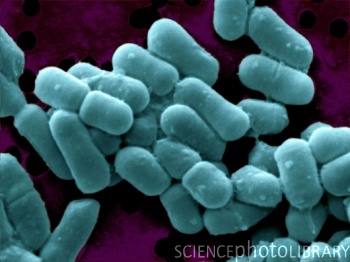
http://en.wikipedia.org/wiki/Lactobacillus_fermentum

http://www.ncbi.nlm.nih.gov/pubmed/15143028
http://www.sciencephoto.com/images/download_lo_res.html?id=662201569

The bacterium has complex nutritional requirements, including the inability to ferment any sugar except lactose[citation needed], from which it produces lactic acid, which gives yogurt its tart flavor and acts as a preservative. The bacterium also partially coagulates the milk proteins. While fermenting milk, it produces acetaldehyde, which is one of the main yogurt aroma components.
It is often helpful to sufferers of lactose intolerance,[citation needed] whose digestive systems lack the enzymes to break down lactose to simpler sugars.http://users.sa.chariot.net.au/~dna/kefirpage.html#traditional-kefir
http://bioweb.uwlax.edu/bio203/s2007/kahl_ambe/
http://en.wikipedia.org/wiki/Lactobacillus_delbrueckii_subsp._bulgaricus
Lb. delbrueckii subsp. lactis AIMS: The aim of the present study was to assess the ability of a potentially probiotic strain to resist, in vitro, the effect of intestinal antimicrobial molecules.METHODS AND RESULTS: Strain CIDCA 133 of Lactobacillus delbrueckii subsp lactis was studied. Lactobacillus delbrueckii subsp bulgaricus as well as other gram-positive and gram-negative bacteria were used for comparison purposes. The effect of different antimicrobial extracts was determined by diffusion assays, viable counts and growth kinetics. Human-defensins (h beta D1 and h beta D2) were also included in the study. Two types of cellular fractions from Caco-2 cells were tested: (i) cytosolic fractions, obtained by sonication of cultured human enterocytes and (ii) cationic fraction, obtained by batch extraction of the cytosolic fraction with a weak cation exchange resin. In addition, the effect of Caco-2-secreted factors was studied. Strain CIDCA 133 was neither inhibited by Caco-2 secreted, cytosolic nor cationic fractions. Of note, human-defensins were inactive against strain CIDCA 133. In contrast, a related lactobacilli: Lactobacilli delbrueckii subsp bulgaricus (strain CIDCA 331) and other species of gram-positive or gram-negative bacteria were strongly inhibited.
CONCLUSIONS: Strain CIDCA 133 is able to survive and grow in the presence of enterocyte-derived antimicrobial molecules. This ability is not a general property of lactobacilli.
SIGNIFICANCE AND IMPACT OF THE STUDY: Results could provide a new insight into the mechanisms of the probiotic effect and encourage further studies on this field. Resistance to antimicrobial peptides can be relevant to understand the interaction of potentially probiotic strains with the host's immune system. This ability can be also relevant as a selection criterion for new probiotic strains.
http://www.magma.ca/~pavel/science/L_bulgaricus.htm
http://www.ncbi.nlm.nih.gov/pubmed/20088979
Lb. fructivorans Associated with the spoilage of ketchup in counts of 10(5) CFU/g. The spoiled strain of this organism was discovered after isolation from saled dressing. Known for spoiling acidic or ethanol containing sources, such as mayonnaise, saled dressing, vinegar preserves, sake, desert wines and aperatifs.
https://helda.helsinki.fi/bitstream/handle/1975/554/tomato_ketchup_ocr.pdf?sequence=2
Ingestion of powdered milk fermented with L. helveticus was shown to decrease blood pressure due to the presence of manufactured tripeptides that have ACE inhibitor activity. However, there have been several contradictory results in later studies.
The bacterium's specific name is an adjective derived from "Helvetia", the Latin name for the region occupied by the ancient Helvetii.
http://www.probiotic-cn.com/Lactobacillus_Helveticus.html
http://bioweb.usu.edu/emlab/current%20news.html
http://ijs.sgmjournals.org/cgi/content/abstract/49/3/1075
 Lb. helveticus is a lactic-acid producing rod shaped bacterium of the genus Lactobacillus. It is most commonly used in the production of American Swiss cheese and Emmental cheese but is also sometimes used in making other styles of cheese, such as Cheddar, Parmesan, romano, provolone, and mozzarella. The primary function of L. helveticus culture is to prevent bitterness and produce nutty flavors in the final cheese. In Swiss and Emmental cheese production, L. helveticus is used in conjunction with a Propionibacter culture, which is responsible for developing the holes (known as "eyes") through production of carbon dioxide gas.
Ingestion of powdered milk fermented with L. helveticus was shown to decrease blood pressure due to the presence of manufactured tripeptides that have ACE inhibitor activity.[1] However, there have been several contradictory results in later studies.[2][3][4]
The bacterium's specific name is an adjective derived from "Helvetia", the Latin name for the region occupied by the ancient Helvetii (and for modern Switzerland).
http://www2.unibas.it/parente/Starter/gruppi.html

Lb. kefiri DSM 20587 cells were immobilized in calcium alginate and carrageenan. The immobilized cells were used as biocatalysts for the enantioselective reduction of the methyl ketone group of denbufylline to synthesize the enantiopure (R)-hydroxy metabolite: (−)-1,3-dibutyl-7-((2′R)-hydroxypropyl)-1H-purine-2,6(3H,7H)-dione (1). The experimental conditions for the biotransformation were optimized. As denbufylline is insoluble in aqueous media, the influence of cosolvents (dimethylsulfoxide (DMSO), acetonitrile) and different concentrations of each solvent in the reaction mixture on the yield and enantiomeric excess of the final biotransformation product was studied. The maximum biotransformation yield (96–98%) and highest enantioselectivity (96% ee) for the obtained metabolite were reached using DMSO as a cosolvent at a concentration of 7.5% (v/v) in the presence of L. kefiri immobilized either in calcium alginate or in carrageenan. The absolute configuration of the stereogenic center of 1 was determined by applying Mosher's method. Chirality 2009. © 2008 Wiley-Liss, Inc.
Lb. kefiranofaciens subsp. kefirgranum Twelve strains of homofermentative lactobacilli and two strains of heterofermentative lactobacilli were isolated from kefir grains by using R-CW agar medium. The physiological and biochemical characteristics, DNA guanine-plus-cytosine contents, and levels of DNA-DNA relatedness of these isolates and previously described lactobacilli were compared. Our results indicated that two new species, Lactobacillus kefirgranum and Lactobacillus parakefir, could be distinguished. The type strain of L. kefirgranum sp. nov. is GCL 1701 (= JCM 8572), and the type strain of L. parakefir sp. nov. is GCL 1731 (= JCM 8573). http://ijs.sgmjournals.org/cgi/content/abstract/44/3/435
Lb. kefiranofaciens subsp. kefiranofaciens A new fermented milk was prepared by using capsular polysaccharide-producing Lactobacillus kefiranofaciens K1 isolated from kefir grains. Fermentation was carried out at 30°C for 18 h, when pH 4·5 was attained. The product had a ropy consistency and was resistant to syneresis. However, the product was given lower scores for acceptability by a consumer panel than a similar product made with Lb. delbrueckii subsp. bulgaricus.
http://journals.cambridge.org/action/displayAbstract?fromPage=online&aid=5162608Lb. parakefiri Lactobacillus kefirgranum sp. nov. and Lactobacillus parakefir sp. nov., two new species from kefir grains
http://www.straininfo.net/publications/4894

http://www.bacferm.com.au/silac/micro/micro.html
http://en.wikipedia.org/wiki/Lactobacillus_plantarum
Subscribe to:
Posts (Atom)